mielött helyettünk beszélnének collection
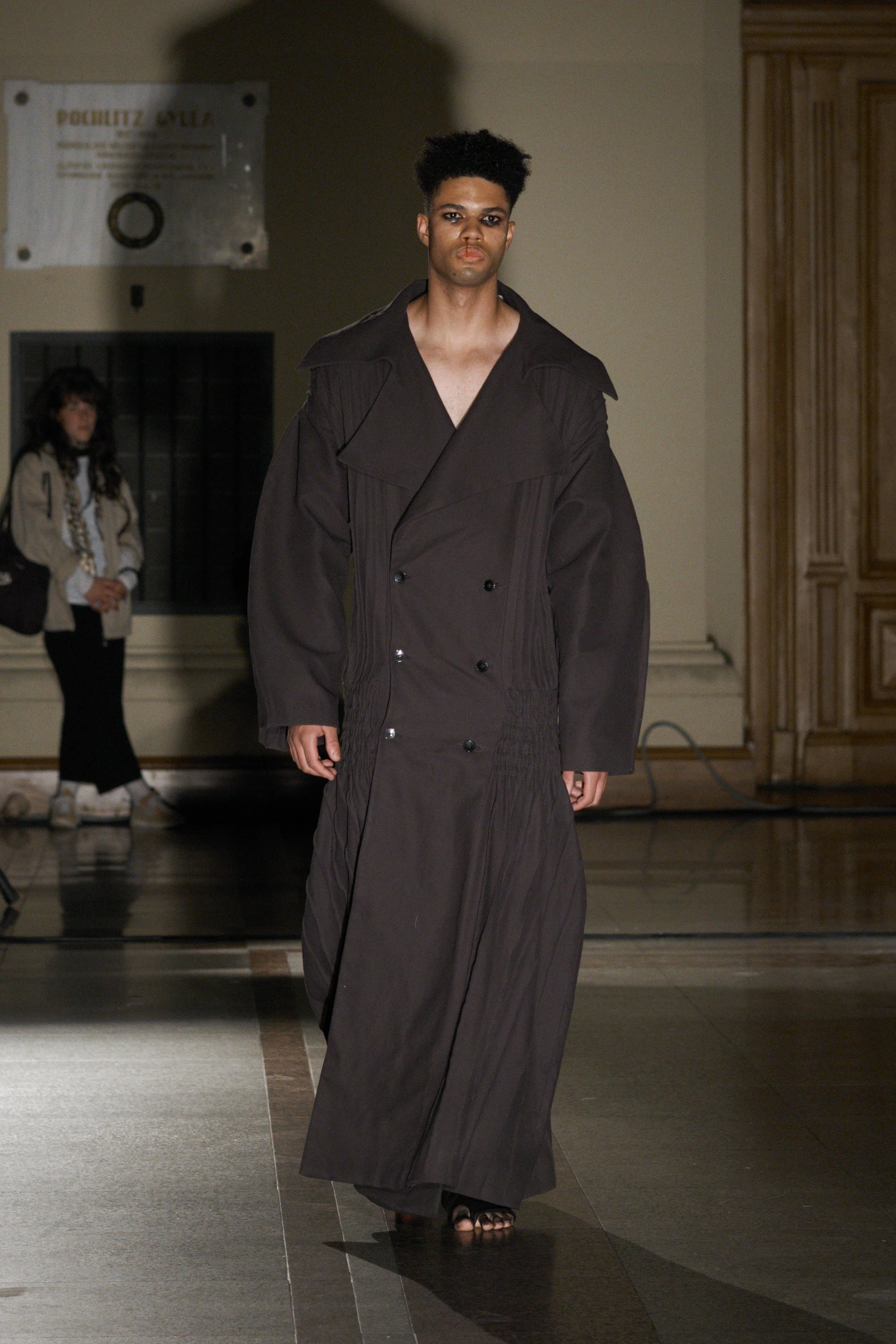
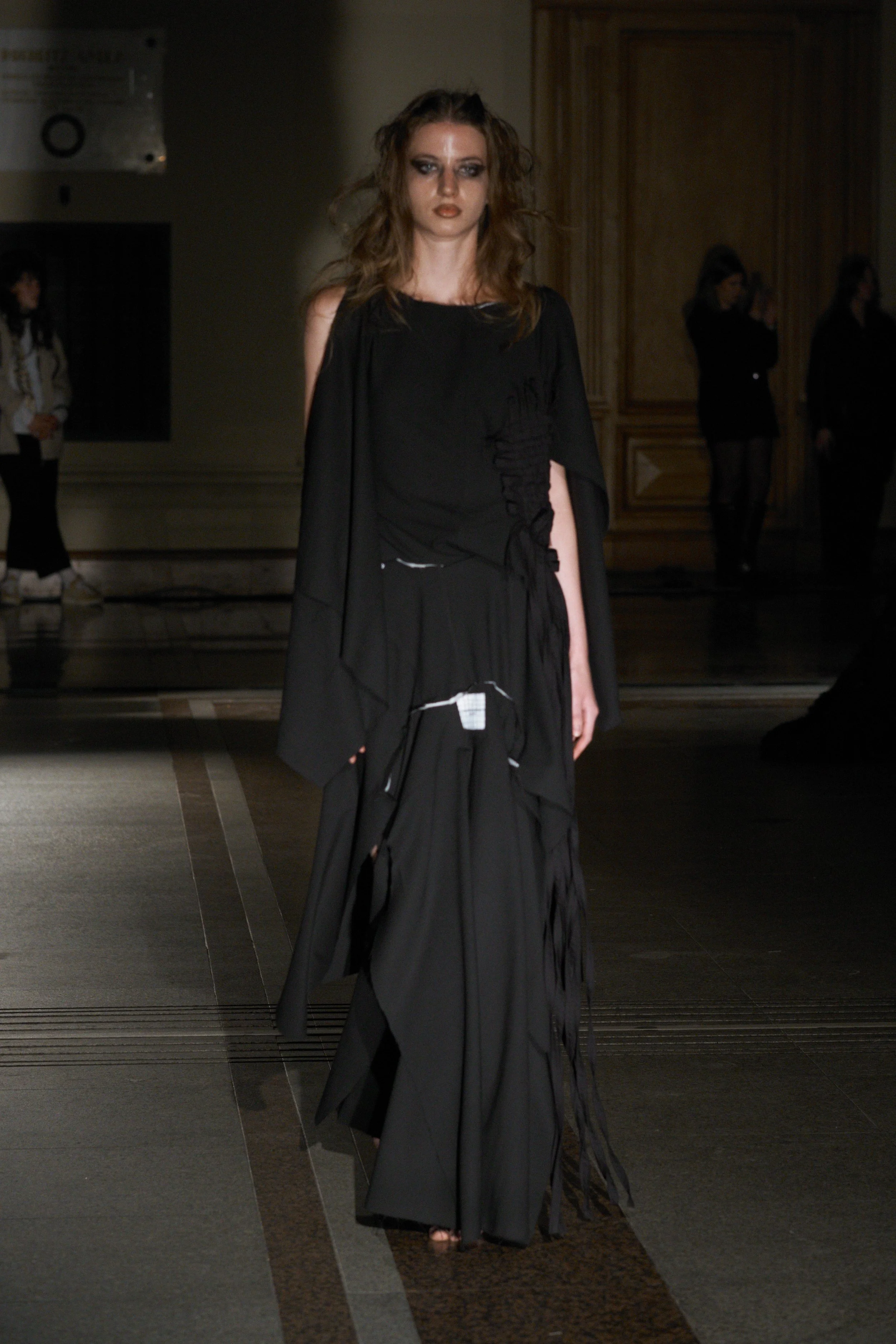
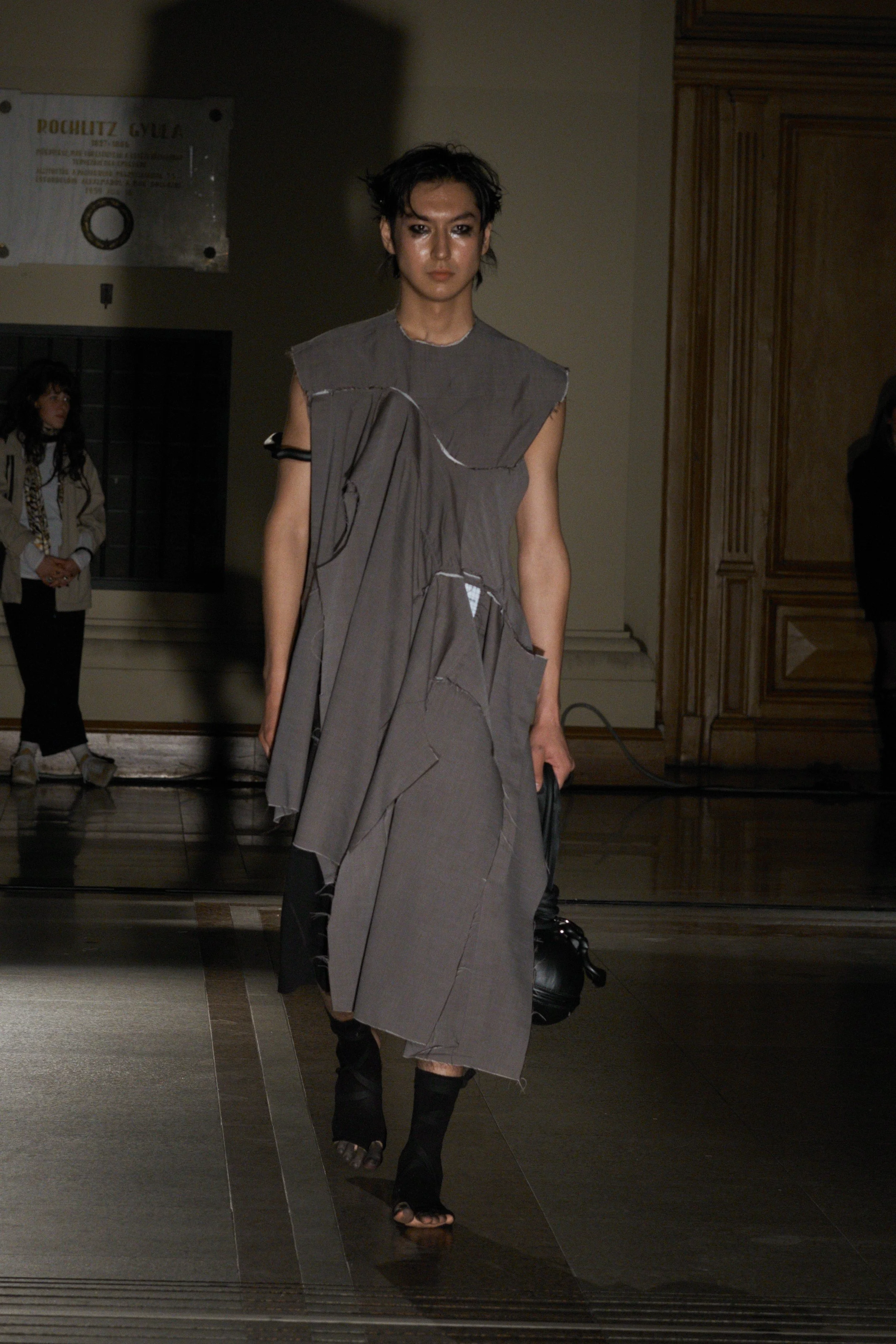
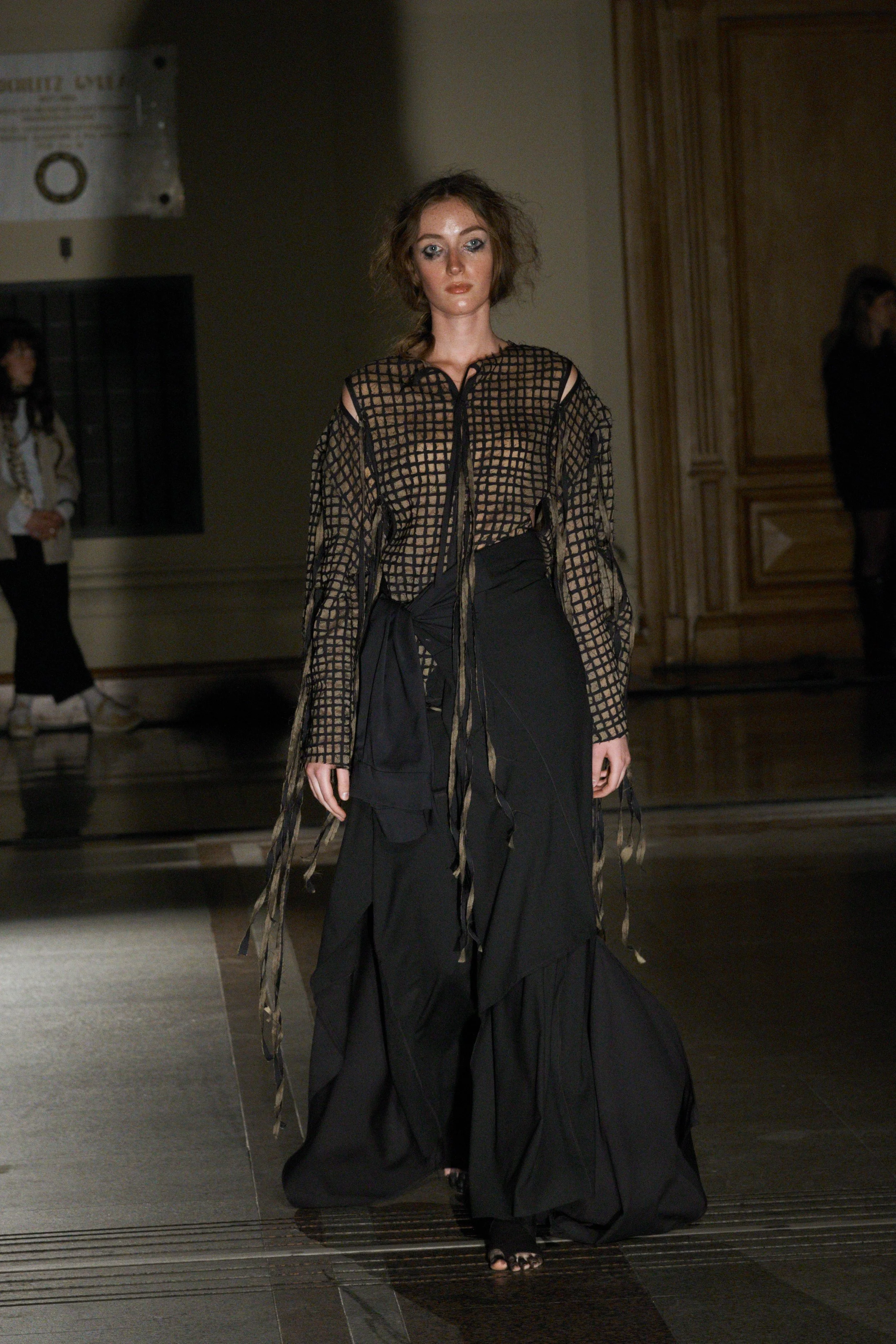
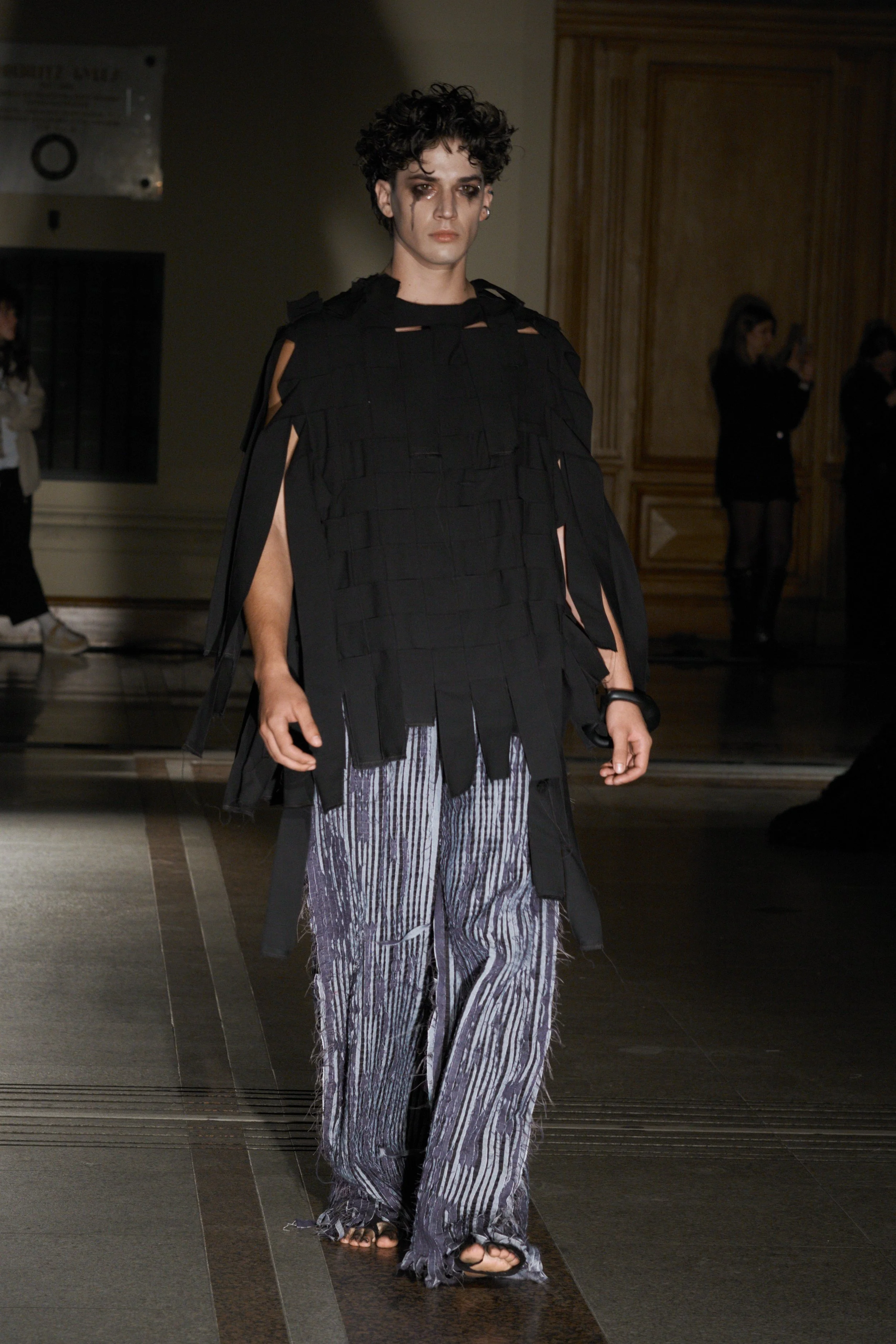
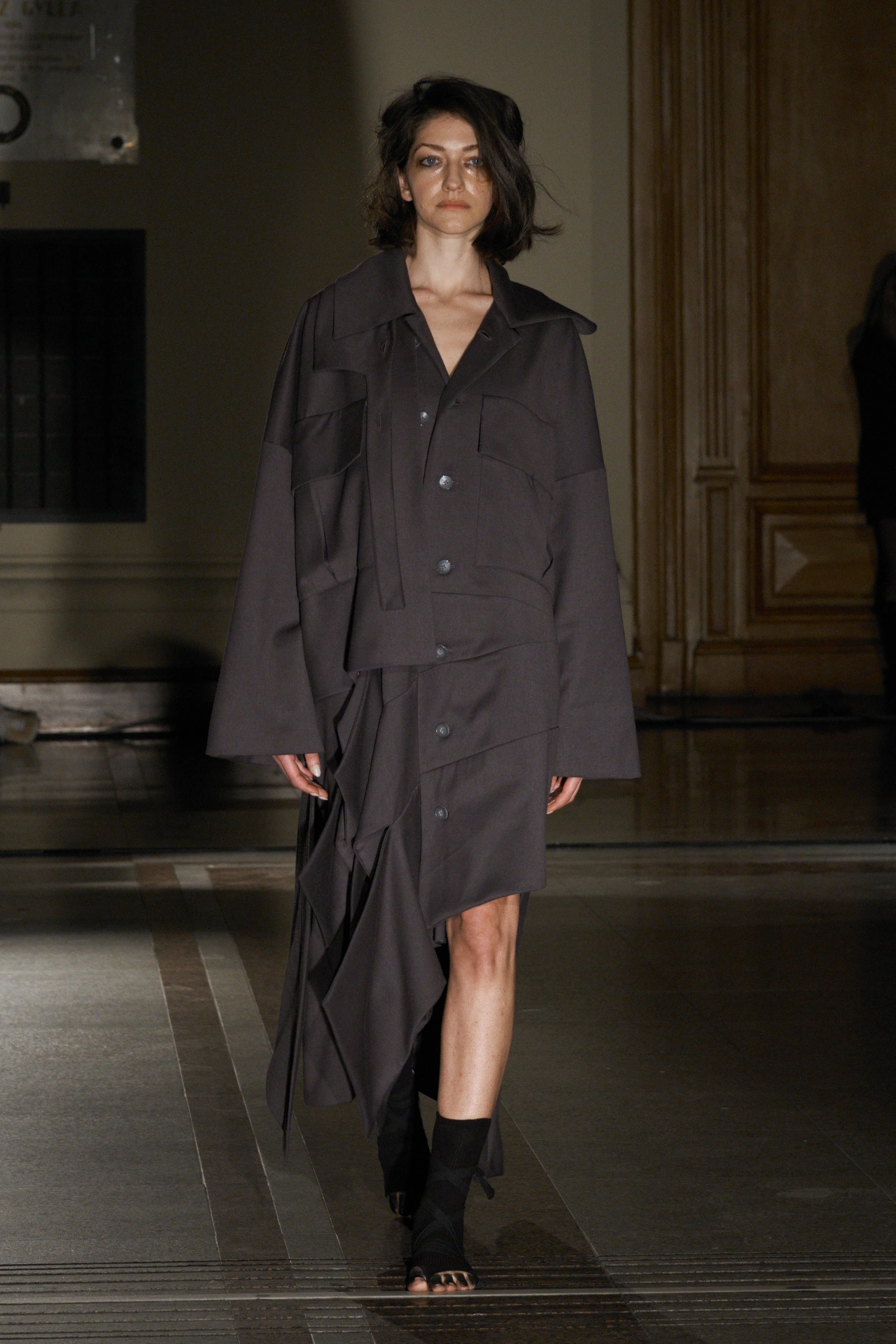
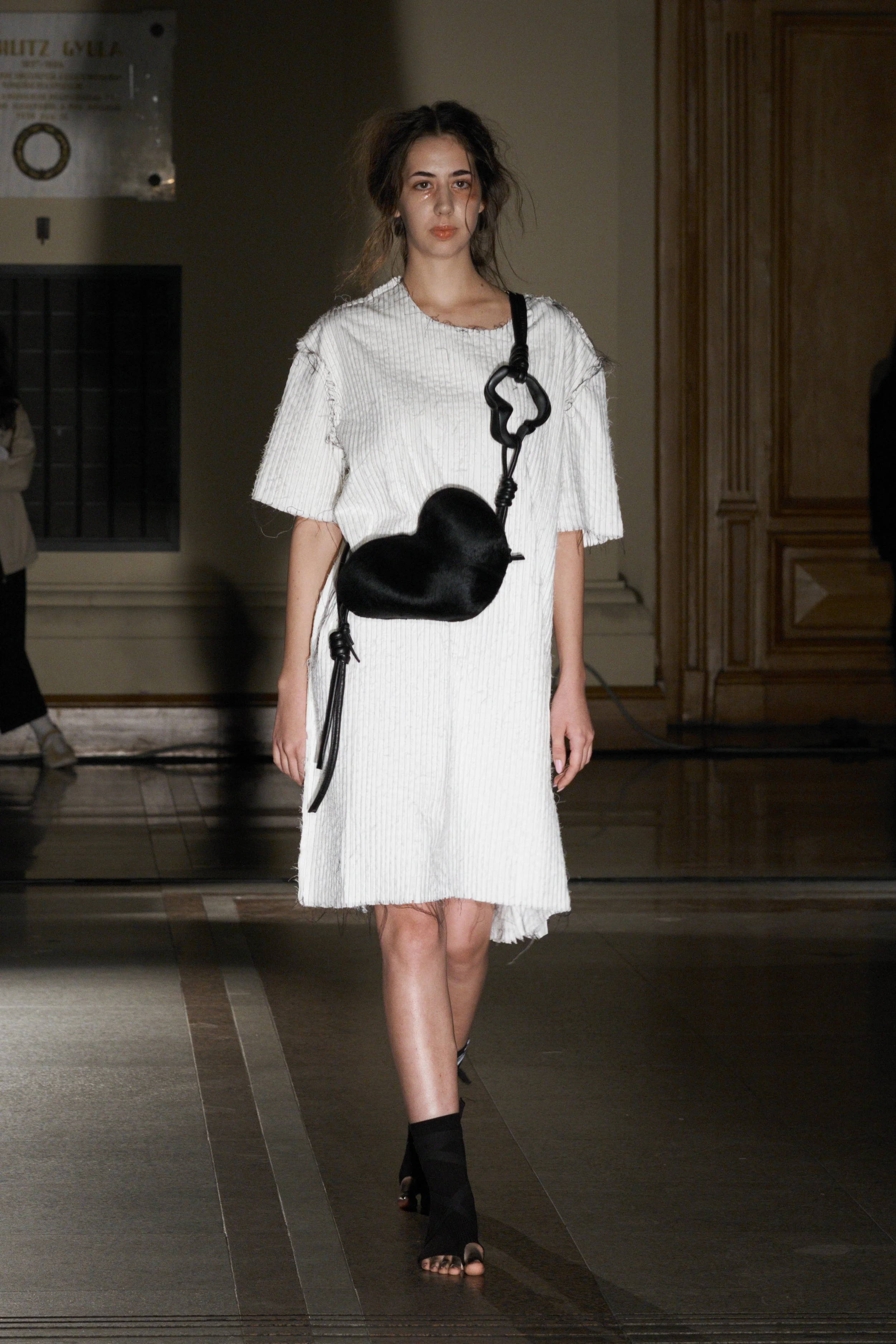
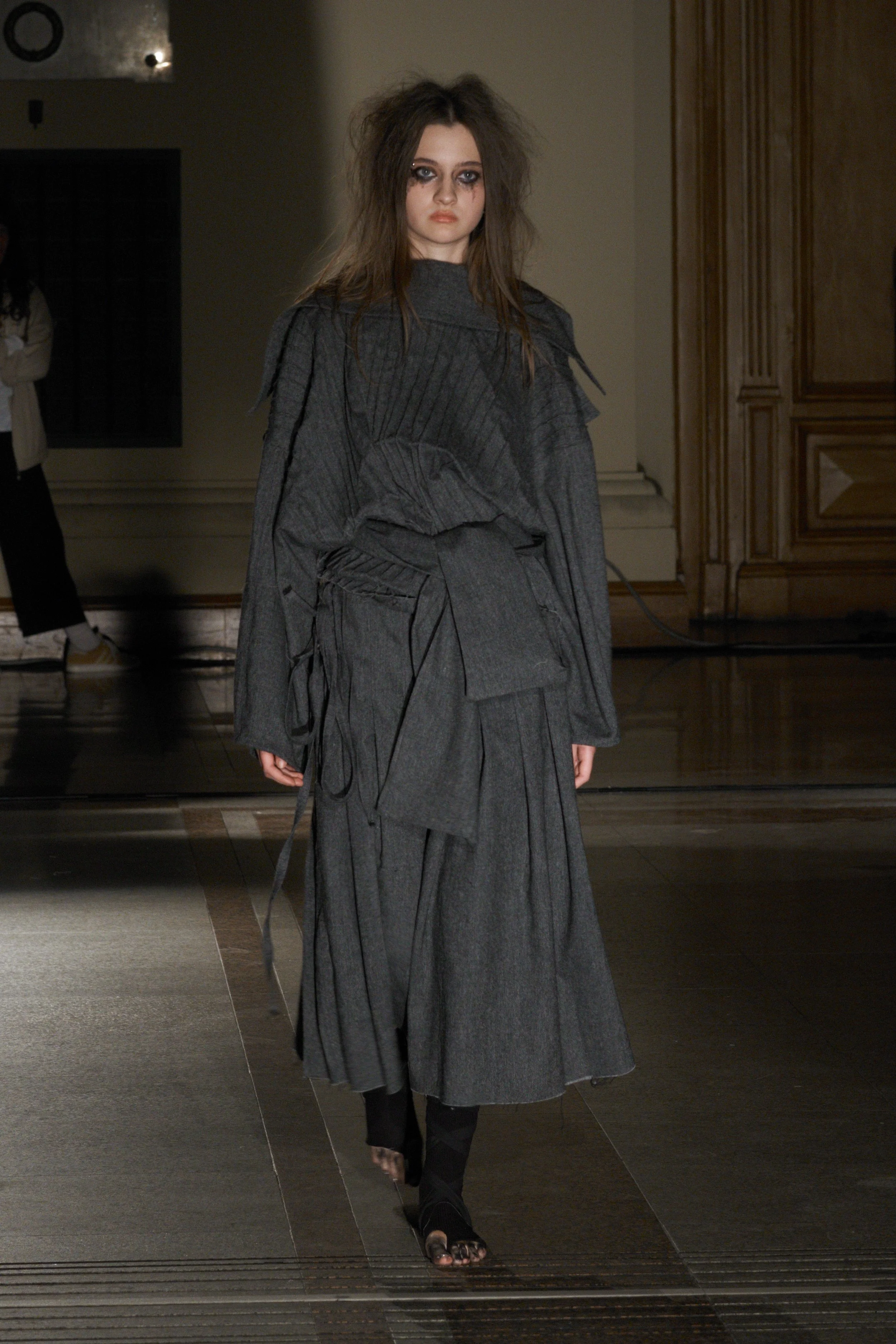
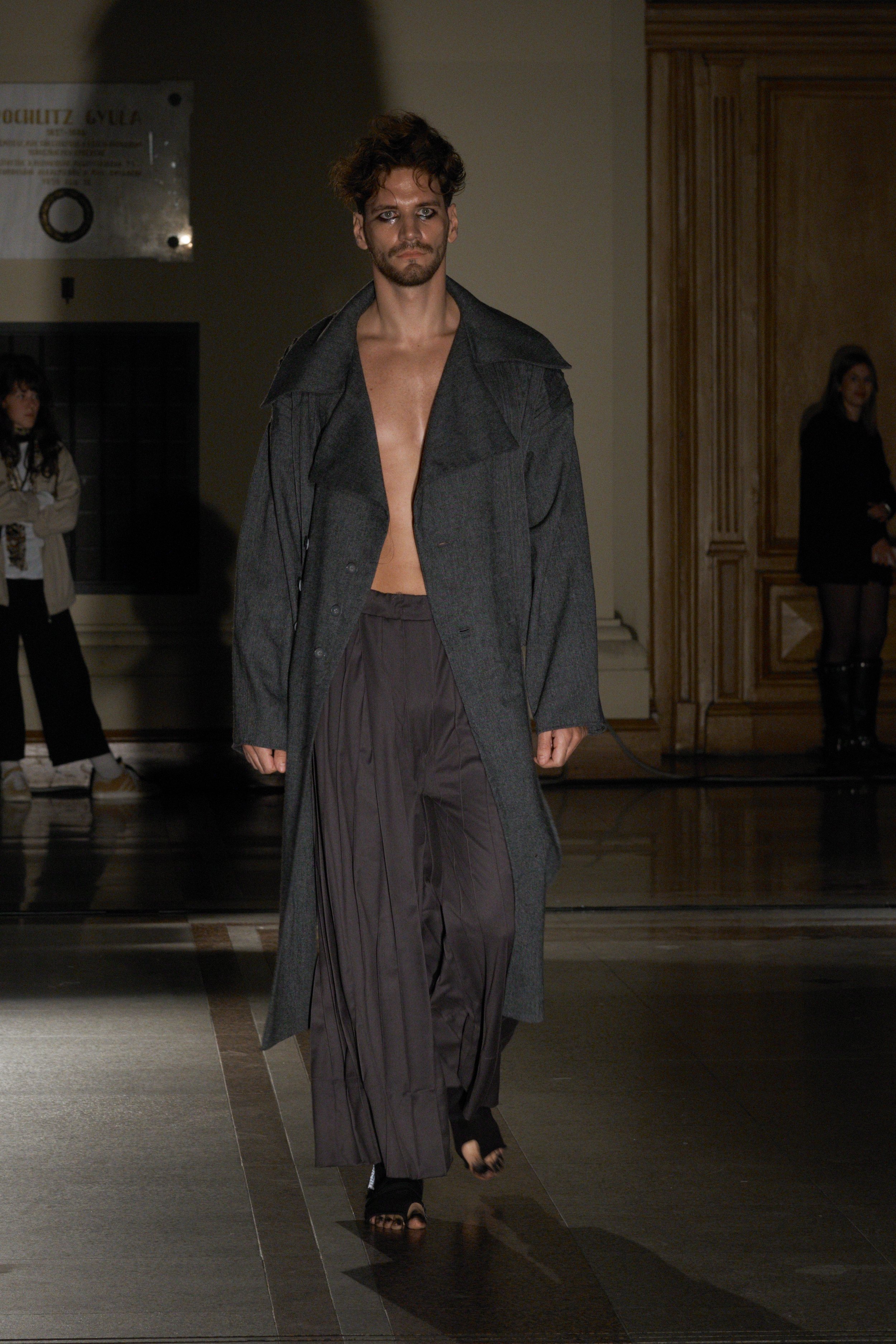
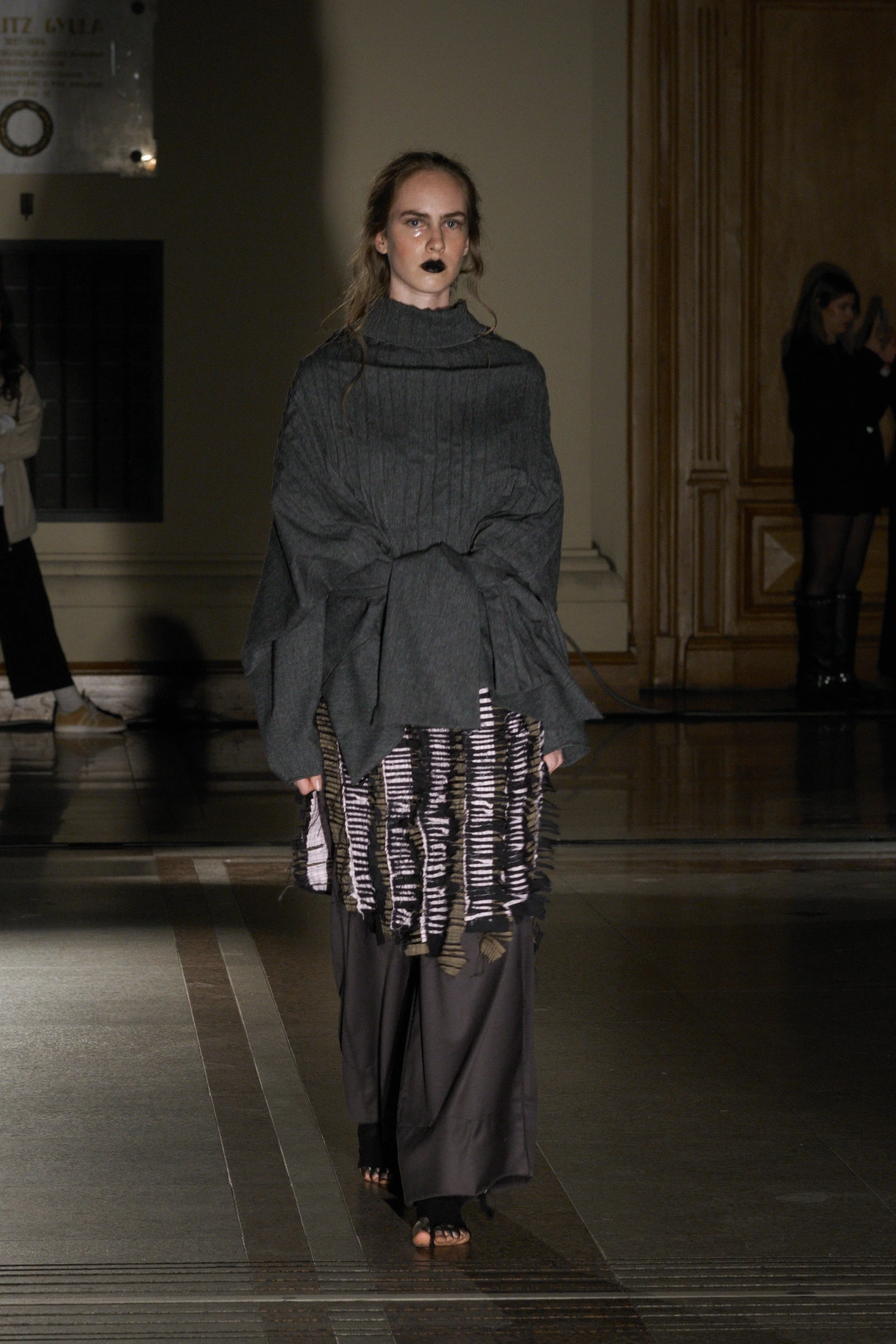
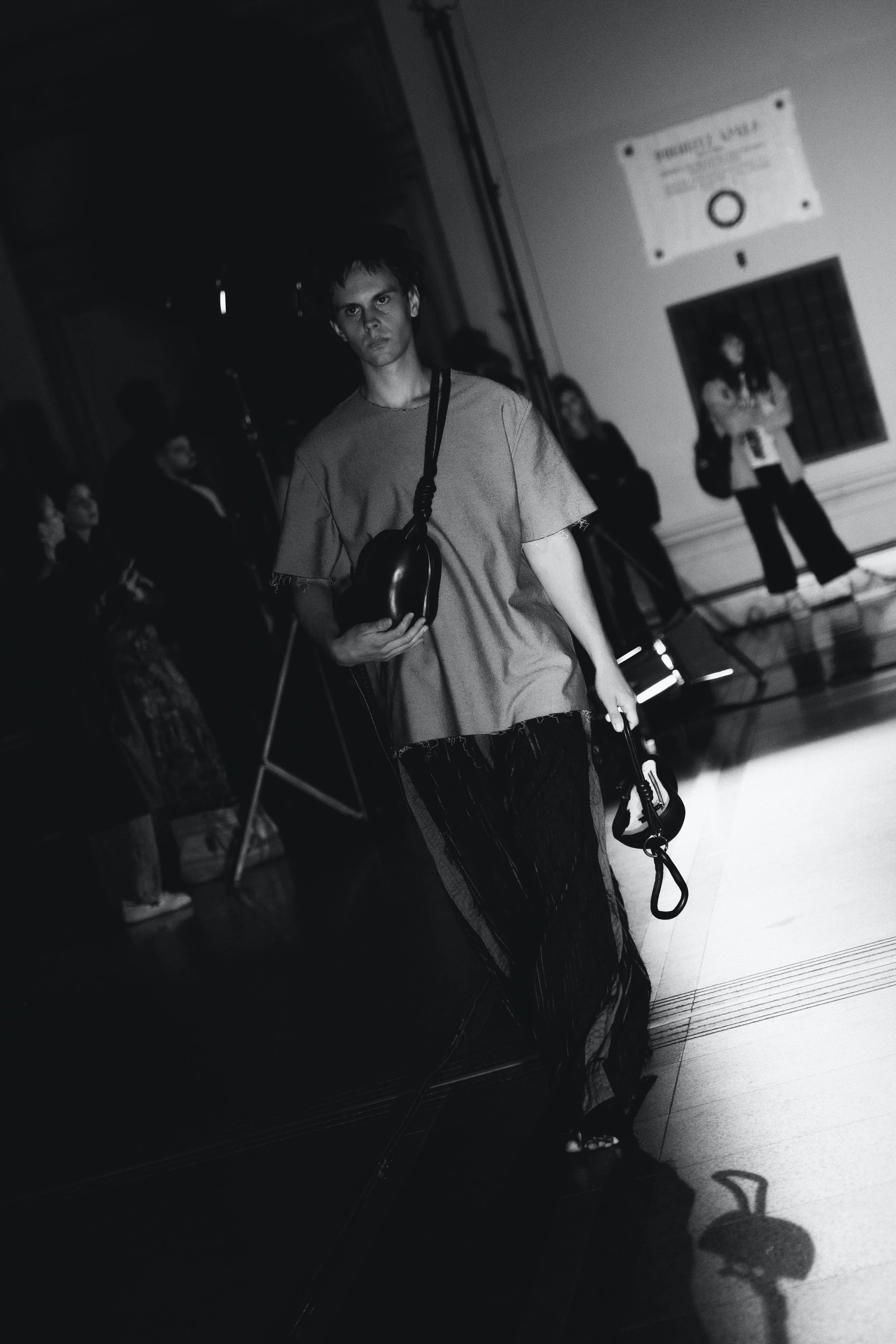

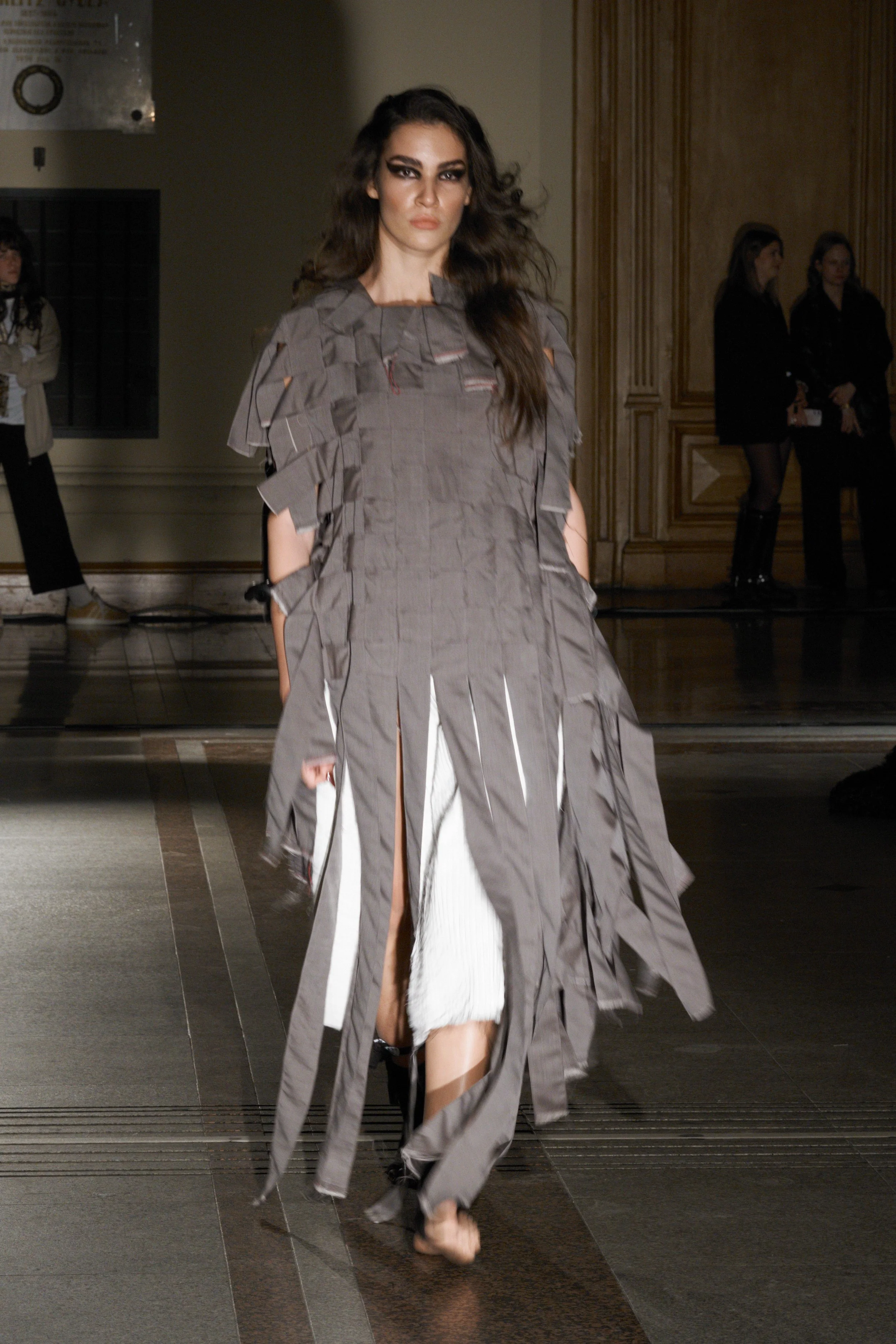
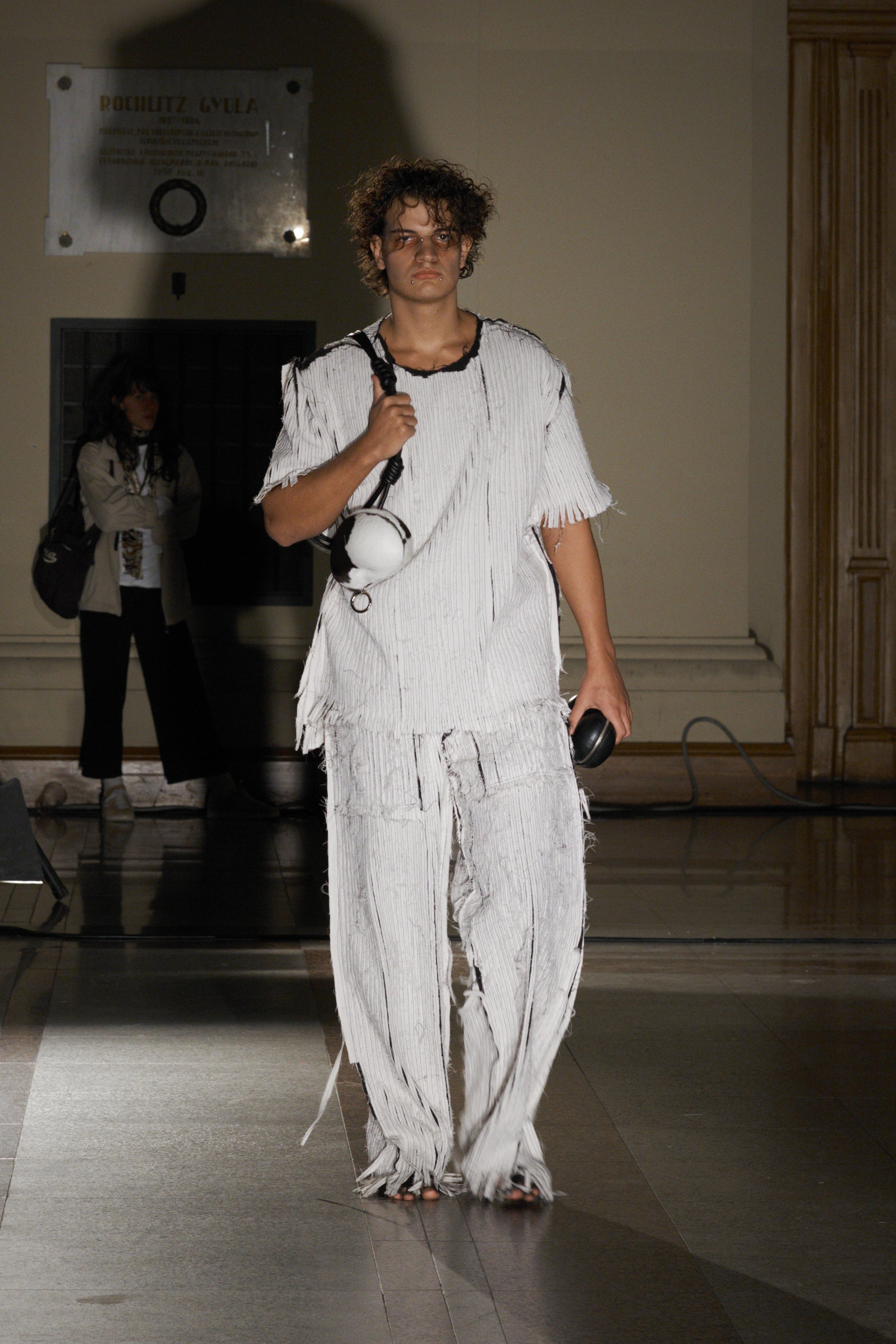
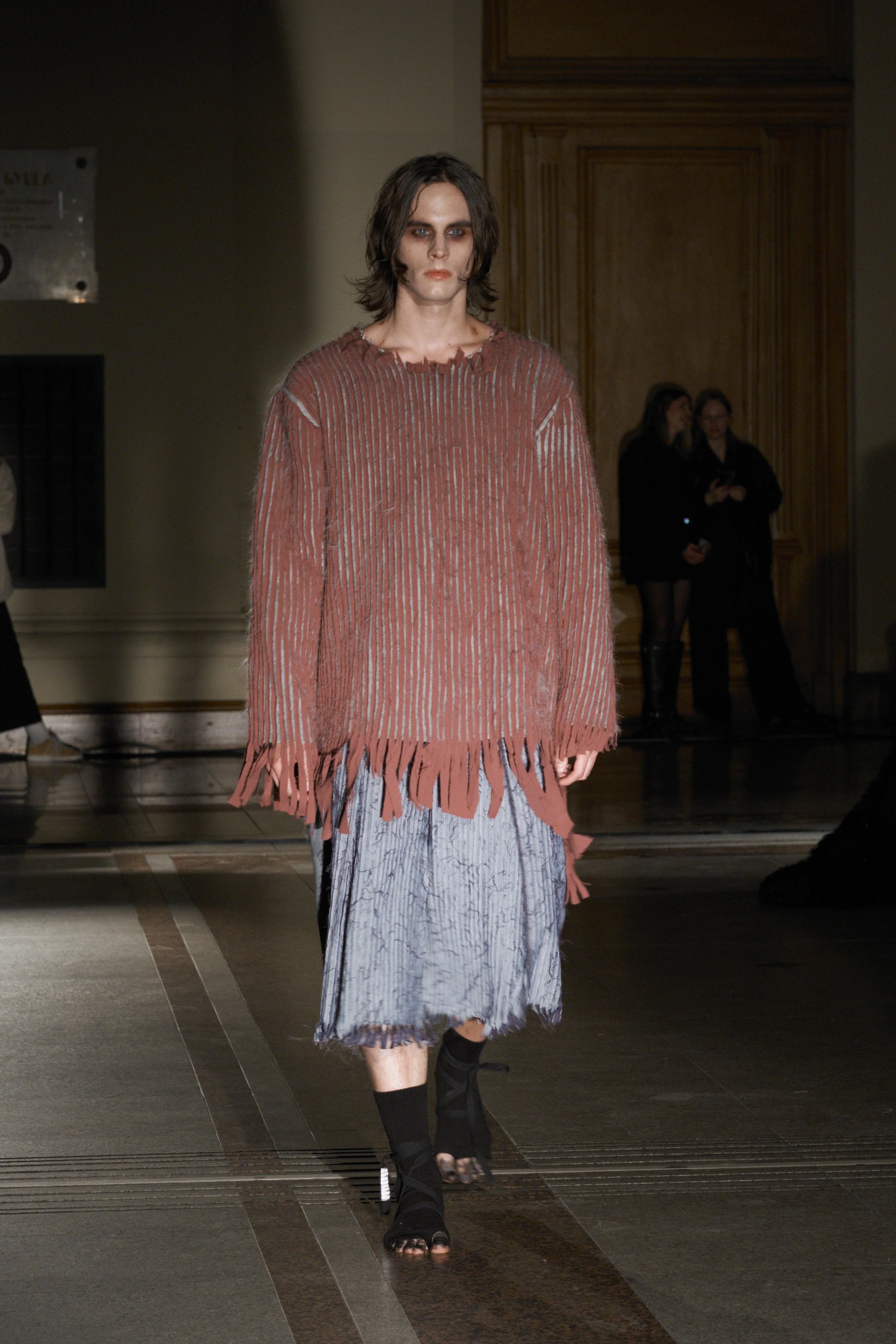
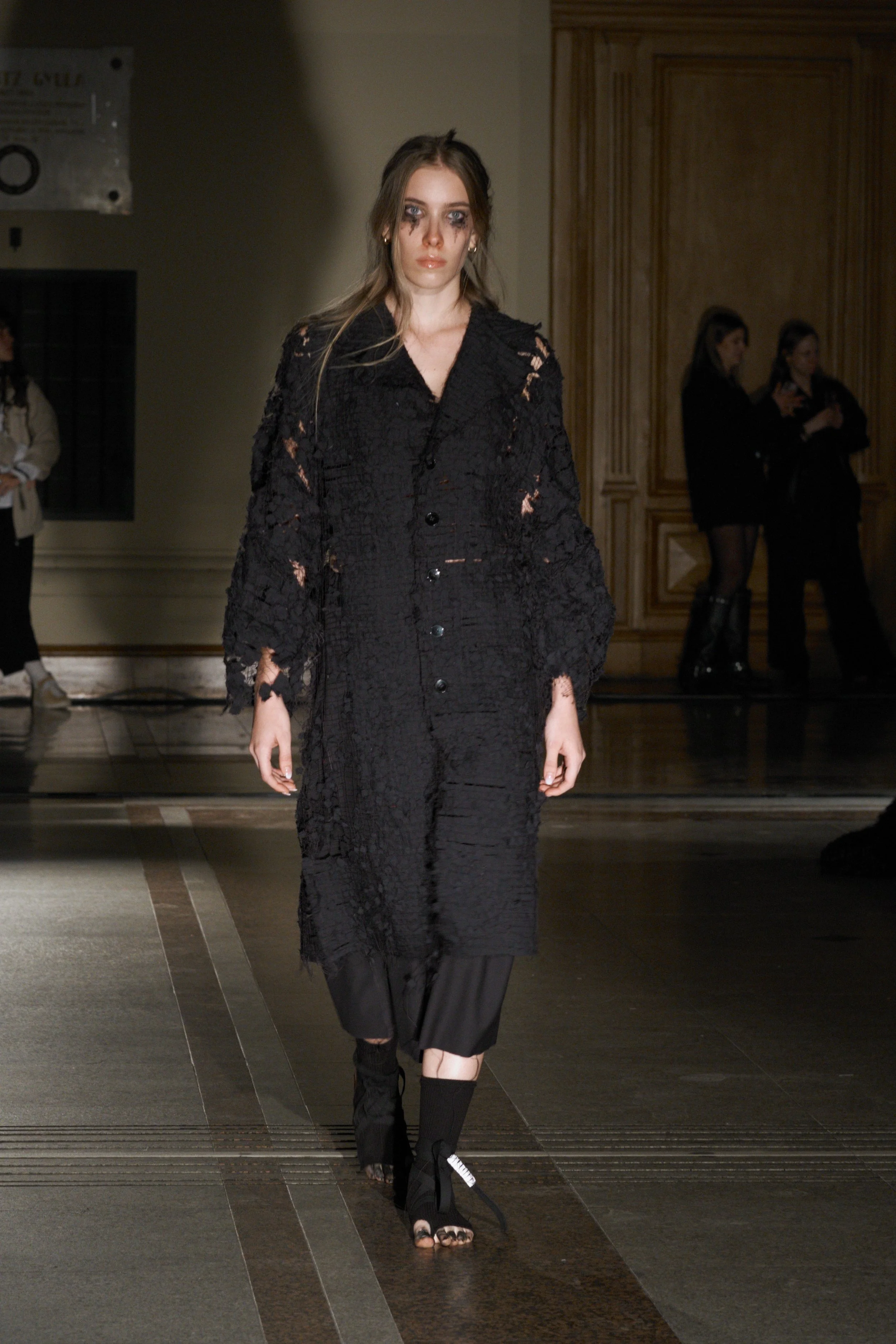
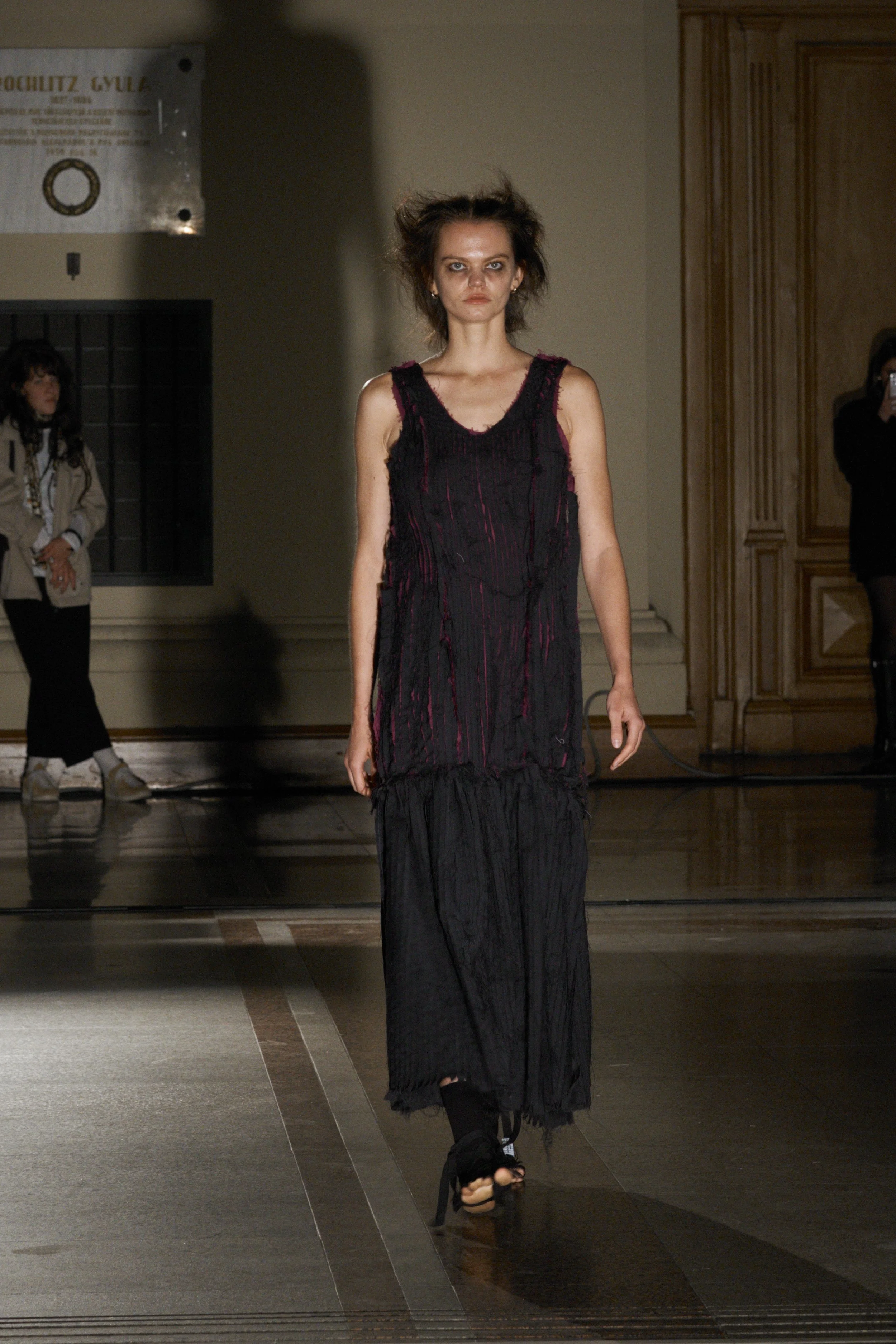
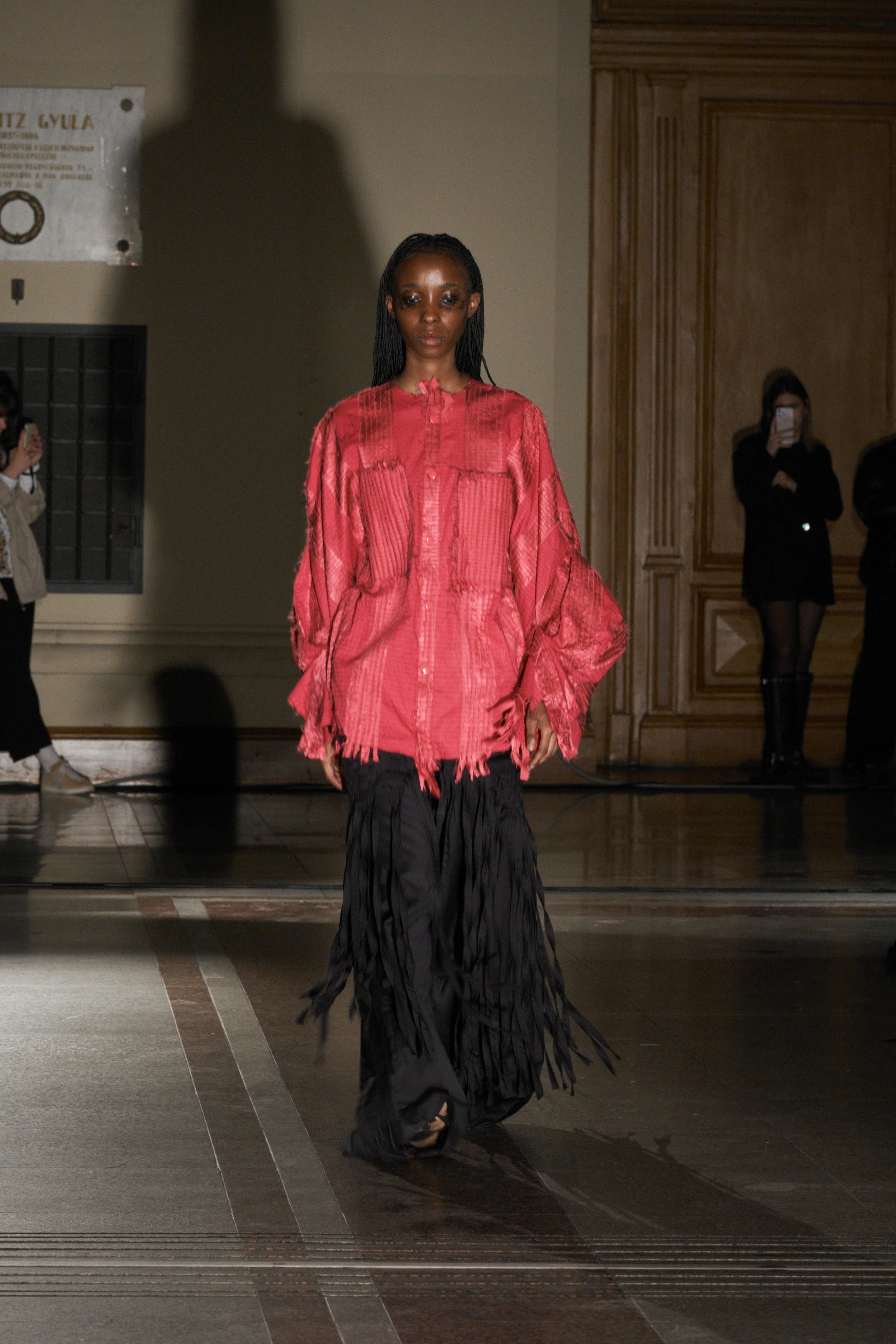
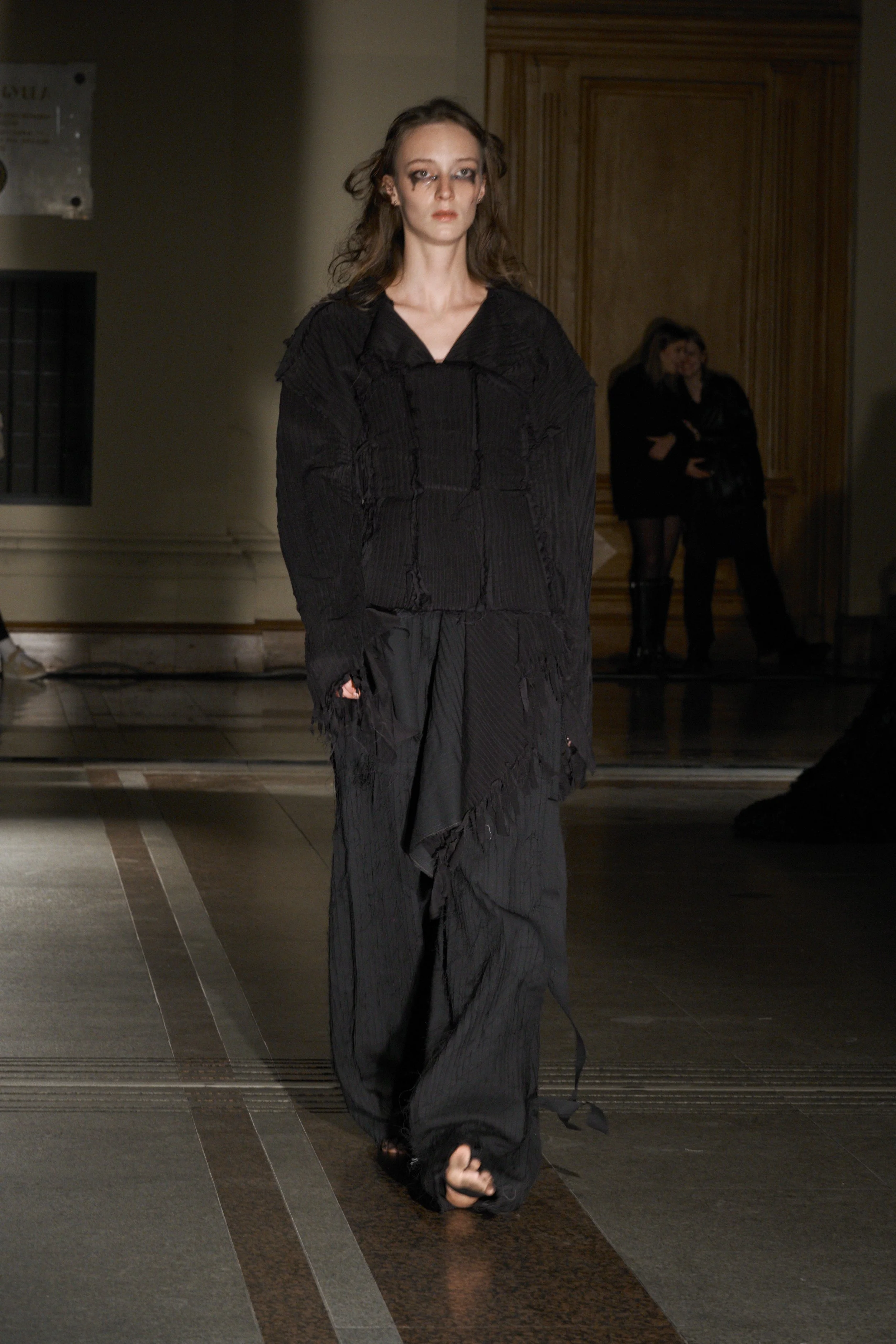
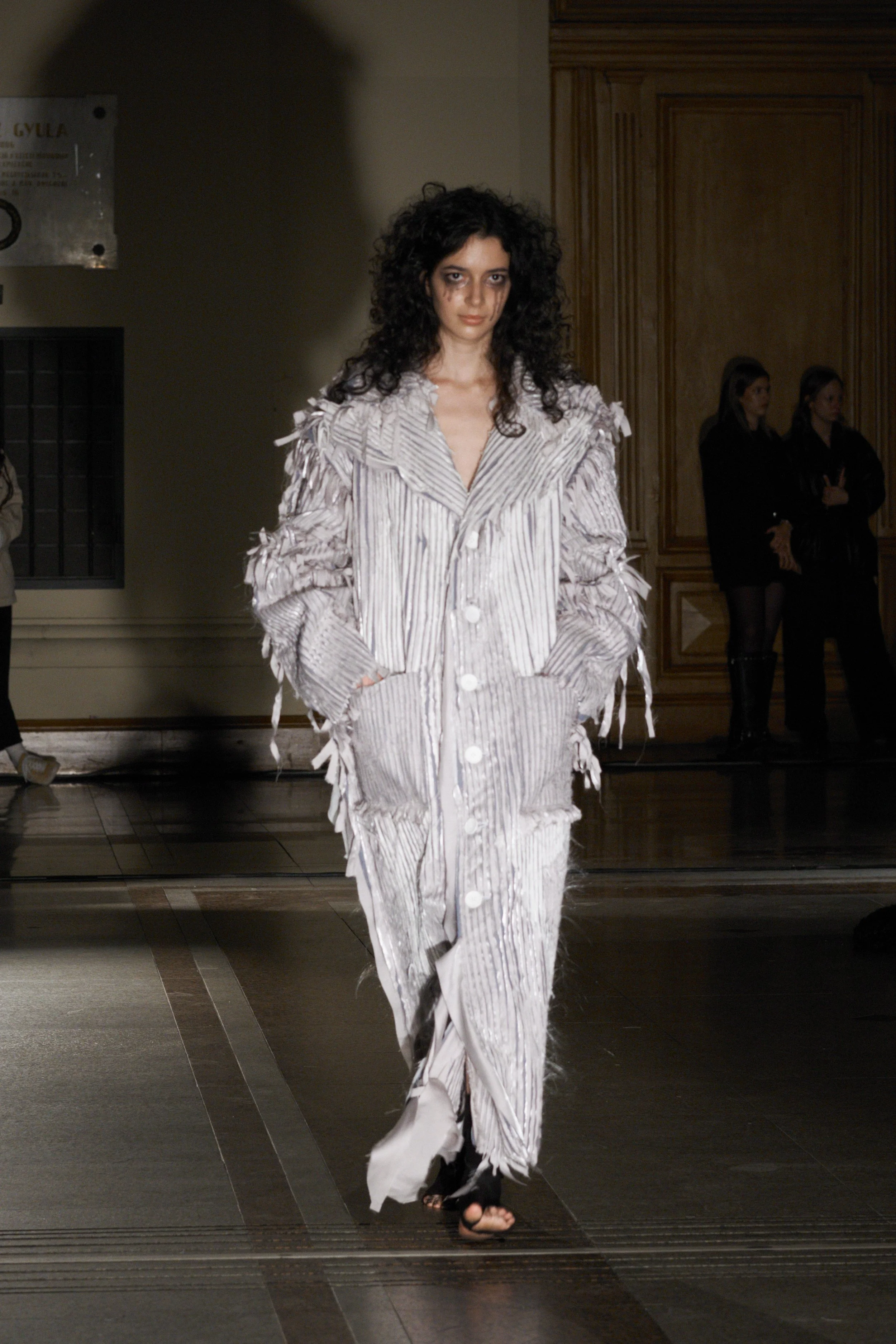
CSENDDÉ LETT II. – MIELŐTT HELYETTÜNK BESZÉLNÉNEK
Mielőtt megszólalnánk, már számtalan hang beszél bennünk. A családé, a társadalomé, a félelmeinké, a vágyainké, a szerepeinké. A kimondott szó ritkán érkezik üresen; magával hordozza mindazt, ami megelőzte. A CSENDDÉ LETT II. – MIELŐTT HELYETTÜNK BESZÉLNÉNEK ennek a határnak a feloldását keresi. Nem azt kérdezi, mit jelent szabadnak lenni, hanem azt, hogyan találhatunk vissza ahhoz a csendhez, ahol a kimondott szó még valóban a sajátunk.
A csend és a szabadság vonatkozásában
A szabadságot mindig úgy képzeltük el, mint valamit, amit meg lehet szerezni. Mintha egy állapot lenne, amely felé folyamatosan haladunk. Talán ezért keressük állandóan. Pedig lehet, hogy nem közelebb kerülünk hozzá, hanem egyre távolabb.
Minden új lehetőség egy újabb döntés. Minden döntés egy újabb kötődés. Minden kötődés egy újabb történet arról, kik vagyunk. Lassan már semmi nem marad, ami ne kérne magyarázatot.
Nem a csend ijeszt meg minket.
Hanem az,
hogy a csend nem hagy semmit,
ami helyettünk beszélhetne.
A csend kegyetlen. Nem azért, mert elvesz valamit, hanem mert mindent meghagy, aminek nincs hová elbújnia. Talán ezért menekülünk előle. Nem azért, mert üres, hanem mert túlságosan tele van velünk.
A világ egyre kevésbé tilt. Egyre inkább kínál. Arcokat. Szerepeket. Véleményeket. Lehetőségeket. Mindegyik egy kicsit közelebb visz valamihez, és egy kicsit távolabb attól, amit nem lehet eljátszani.
Lehet, hogy nem arra van szükségünk, hogy több minden közül választhassunk. Hanem arra, hogy kevesebb mindent kelljen magunkkal vinnünk.
A CSENDDÉ LETT következő fejezete nem azt kérdezi, mit jelent szabadnak lenni. Hanem azt, hogy mi marad, ha lassan lehántjuk magunkról mindazt, amiről azt hittük, nélküle nem létezhetünk.
A ruha ebben a folyamatban nem válasz. Nem illusztráció. Nem kijelentés. Rétegei nem eltakarják a testet, hanem láthatóvá teszik, mennyi minden rakódik rá egy emberre, mielőtt egyáltalán megszólalhatna.
Talán nem a világ a leghangosabb.
Hanem mindaz,
amit magunkban tovább hordozunk belőle.
És talán ezért nem egy újabb lehetőség vezet közelebb ahhoz, amit szabadságnak nevezünk, hanem az, aminek végre képesek vagyunk búcsút mondani.
A divat évszázadok óta azt kérdezi, mit adhat még a testhez. A CSENDDÉ LETT II. ezzel szemben azt vizsgálja, mit lehet elvenni úgy, hogy közben az ember teljesebbé váljon. A ruha nem új identitást épít, hanem segít felismerni mindazt, amit ideje lenne elhagynunk.
A ruha nem hozzáad az emberhez. Csak megmutatja, mi az, ami már régen nem tartozik hozzá.
Helyszín és kollekció kapcsolata
A Keleti pályaudvar nem célállomás. Nem érkezés és nem indulás. Egy átmeneti állapot, ahol az ember már nincs ott, ahonnan elindult, de még nem érkezett meg oda, ahová tart.
A pályaudvar így nem csupán helyszíne, hanem gondolati tere is a CSENDDÉ LETT II. – MIELŐTT HELYETTÜNK BESZÉLNÉNEK kollekciónak.
Ahogy az utazás sem az érkezéssel kezdődik, hanem azzal a pillanattal, amikor eldöntjük, mit hagyunk magunk mögött, úgy ez a kollekció sem új rétegeket épít az emberre. Inkább azt vizsgálja, mit kell elengednünk ahhoz, hogy közelebb kerülhessünk önmagunkhoz.
TURNED INTO SILENCE II. – BEFORE THEY SPEAK FOR US
English title: literal translation of the original Hungarian title.
Before we speak, countless voices are already speaking within us. The voices of our families, society, our fears, our desires, and the roles we inhabit. The spoken word rarely arrives empty; it carries everything that came before it. CSENDDÉ LETT II. – MIELŐTT HELYETTÜNK BESZÉLNÉNEK (TURNED INTO SILENCE II. – BEFORE THEY SPEAK FOR US) seeks to dissolve this boundary. It does not ask what it means to be free, but rather how we can find our way back to the silence in which the words we speak truly belong to us.
On Silence and Freedom
We have always imagined freedom as something that can be attained. As if it were a state towards which we are constantly moving. Perhaps that is why we keep searching for it. Yet it may be that we are not getting closer to it, but moving further and further away.
Every new possibility is another decision. Every decision is another attachment. Every attachment is another story about who we are. Slowly, nothing remains that does not demand an explanation.
It is not silence that frightens us.
But the fact
that silence leaves nothing
that could speak on our behalf.
Silence is cruel. Not because it takes something away, but because it leaves everything that has nowhere to hide. Perhaps that is why we flee from it. Not because it is empty, but because it is far too full of ourselves.
The world increasingly forbids less. Instead, it offers more. Faces. Roles. Opinions. Possibilities. Each brings us a little closer to something, and a little further away from what cannot be performed.
Perhaps what we need is not to have more things to choose from. But to have fewer things we must carry with us.
The next chapter of CSENDDÉ LETT (TURNED INTO SILENCE) does not ask what it means to be free. Instead, it asks what remains when we slowly peel away everything we once believed we could not exist without.
In this process, clothing is not an answer. Not an illustration. Not a statement. Its layers do not conceal the body, but make visible how much accumulates upon a person before they can even begin to speak.
Perhaps it is not the world that is the loudest.
But everything
we continue to carry within us from it.
And perhaps this is why it is not another possibility that brings us closer to what we call freedom, but rather what we are finally able to say goodbye to.
For centuries, fashion has asked what else it can add to the body. CSENDDÉ LETT II. (TURNED INTO SILENCE II.), in contrast, examines what can be taken away while allowing the individual to become more complete. Clothing does not construct a new identity, but helps us recognise everything that it is time to leave behind.
Clothing does not add to the person. It merely reveals what has long ceased to belong to them.
The Relationship Between the Location and the Collection
Keleti Railway Station is not a final destination. Neither an arrival nor a departure. It is a transitional state, where a person is no longer where they started, but has not yet arrived where they are going.
The station is therefore not merely the location of CSENDDÉ LETT II. – MIELŐTT HELYETTÜNK BESZÉLNÉNEK (TURNED INTO SILENCE II. – BEFORE THEY SPEAK FOR US), but also its conceptual space.
Just as a journey does not begin with arrival, but with the moment we decide what to leave behind, this collection does not build new layers upon the individual. Instead, it examines what we must let go of in order to move closer to ourselves.
CSENDDÉ LETT collection




















A Csenddé lett kollekció a csend fogalmát az időtlenség, a jelenlét és a távollét összefüggésein keresztül vizsgálja. A csend egy állandóan jelen lévő, mégis megfoghatatlan állapot, amelyet a hangok megszakíthatnak, de megszüntetni nem képesek. A döntéseinket megelőző belső folyamatokban az idő elveszíti jelentőségét, hiszen a pillanat súlyát nem annak időtartama, hanem a belőle következő cselekedet határozza meg.
Korábbi kollekcióimban elsősorban az idő fogalmával és annak az öltözékekhez fűződő viszonyával foglalkoztam. Az Önmagamra hajlok vissza című mesterdiploma-kollekciómban az örök körkörösség és a folyamatos változás kérdéskörét vizsgáltam. Az időt olyan jelenségként értelmeztem, amelyet a jelenben meghozott döntéseinken keresztül képesek vagyunk befolyásolni, a ruhadarabok teljes életciklusára kivetítve. A tárgyak életét különböző időfázisokra bontottam, amelyek nem előre meghatározott időpontokhoz kötődnek, hanem bármikor bekövetkezhetnek. Ezekben a pillanatokban döntenünk kell az öltözékek további sorsáról. Az így létrejövő többváltozós rendszer lehetővé teszi az egyes fázisok közötti előre- és visszalépést, miközben minden döntés maradandó nyomot hagy a ruhadarabokon. A pillanatnyi változások állandóvá válnak, és a tárgyak esztétikáját a felhalmozódó alakváltozások emlékei formálják tovább. Az öltözékek így egy végtelen körforgás részeivé válnak, amelyben a szabadság és a kontroll egy meghatározott konstrukciós rendszeren belül létezik.
Az ezt követő, Bújj-bújj zöld ág című kollekciómban a menekülés fogalomkörén keresztül az idő egy másik értelmezési lehetőségét kutattam. A kollekció egy menekülő, fiktív személy élethelyzeteit követi végig, amelyekben az örök körforgást egy kényszerített változás szakítja meg. Ebben az állapotban a múlt és a jövő elveszíti jelentőségét, és minden a jelenlét egyetlen pillanatára szűkül. A döntés már nem egy szabadon alakítható rendszer része, hanem az adott élethelyzetből való tovább- vagy visszalépés lehetősége. Az élni akarás vágya felerősödik, a cselekedetek egyetlen pillanatba koncentrálódnak, az idő pedig a túlélés szükségszerűségének rendelődik alá.
E két eltérő, mégis egymással összefüggő időértelmezés vezetett el a csend fogalmához. Az örök körkörösség és a pillanatnyi jelenlét közös pontja a döntés, amely mindkét esetben a jelenben történik, és következményeivel alakítja a jövőt. A döntéseket azonban gyakran egy hosszabb, belső keresés előzi meg, amelynek időtartama nem feltétlenül mérhető. Még a leggyorsabb döntések is magukban hordozhatják a belső folyamatok időtlenségét. Egyetlen pillanat és pillanatok sokasága azonos súlyú következményekhez vezethet, hiszen a döntés jelentőségét nem az eltelt idő, hanem az abból születő cselekedet határozza meg.
A Csenddé lett kollekcióban az idő mértékét kivonom ebből a gondolati rendszerből, és azt a korlátlan, kimondhatatlan, megfogalmazhatatlan teljességet keresem, amely a döntő pillanatokban meghatároz bennünket. Ezek a folyamatok többnyire csendben történnek. A csend ebben az értelmezésben egyfajta alaphang, amelynek jelenlétét éppen akkor érzékeljük, amikor a körülöttünk lévő hangok megszűnnek. Egyszerre tekinthető a hangok eredetének, elválasztójának és elmúlásának. Nem pusztán hiány, hanem önálló létezéssel rendelkező, egyetemes állapot, amely a hangok megszűnése után is fennmarad.
Tarczay Erzsébet A Csend című, 1927-ben megjelent írásában a csendet olyan időtlen jelenségként értelmezi, amelynek megnevezése önmagában is ellentmondást hordoz. Amint kimondjuk, megtörjük azt, amit megpróbálunk megragadni. A csend tehát egyszerre létező és kimondhatatlan, állandó és mégis érzékelhetően változó állapot. Jelenléte korlátlan, miközben a hangok által ideiglenesen kijelölhető a kezdete és a vége. Ebben az értelemben egyfajta perpetuum mobile, amely állandóságában is folyamatos mozgást hordoz.
A csend nem kizárólag a hang hiányában, hanem a mély megértés és a szavakkal kifejezhetetlen érzelmek terében is létezik. Azok az érzések, amelyek olyan mélyről érkeznek, hogy mire szavakká formálódnak, elveszítik eredeti intenzitásukat, a csendben még teljes valójukban maradhatnak jelen. A csend így az igazság keresésének egyik lehetséges tere, amelyben a megértés nem feltétlenül igényel megfogalmazást.
Tarczay az írást is a csend egyik formájaként értelmezi. Az élő szó az írás által elveszíti közvetlen hangját, megmerevedik, ugyanakkor függetlenné válik az időtől. A betűkben megőrzött hangok később újra megszólalhatnak, és visszatérhetnek az elcsendesedésből a hangosság állapotába. Ez a gondolat különösen fontossá vált számomra, hiszen a csend nem csupán egy végpontként, hanem egy visszafordítható, folyamatosan változó állapotként is értelmezhető. A hang és a csend viszonya így párhuzamba állítható a korábbi kollekcióimban vizsgált időbeli körforgással és az egyes állapotok közötti átjárhatósággal.
A csend fogalmával való mélyebb foglalkozást megelőzően született egy rövid, személyes gondolatvázlatom, A távollét művészete címmel. A szöveg nem hagyományos értelemben vett versként, hanem a gondolataim koncentrált összegzéseként jött létre.
A távollét művészete
A csend – az egyetlen igaz.
Összefon, elrejt, és mégis kitár.
Benne találom meg a teljesség halk hívó szavát.
Létezik, hogy nem voltam jelen minden pillanatodban,
mert a saját homályomban bolyongtam, ahol a távollátás olyan művészet,
amelyet még a legnagyobbak sem tudnak egy szempillantás alatt megragadni.
A csend mélyen érlelődik nélküled: születik a válasz.
Árnyékom szikár vonalai közt állok távolléted fényében.
Érlelem a percek töredező titkait, keresve valami mélyebb igazat.
A távollét éles fájdalmában a csend beszél, a lélek pedig hallgat.
Időtlen terekben járva marad.
Létem: szertefoszlik.
A szöveg mentén jutottam el a pozitív értelemben vett távollét fogalmához, amely a csend korlátlanságának egyik lehetséges értelmezése. A távollét ebben az összefüggésben nem pusztán fizikai távolságot jelent, hanem egy végtelen, időtlen belső teret, amelyben az önismeret és a megértés folyamatai zajlanak. A távolság nem elválaszt, hanem lehetőséget teremt arra, hogy egy mélyebb, belső igazság felszínre kerülhessen. Ez az igazság nem hangként vagy szövegként fogalmazódik meg, hanem egy erőteljes, hangtalan, szavakkal megragadhatatlan érzésként.
Ebben a végtelen térben a lélek szavai elveszítik elsődleges jelentőségüket, és maga a csend válik a megértés hordozójává. A válasz nem feltétlenül az egyén tudatos akaratából születik meg, hanem egy személytől független, egyetemesebb folyamat részeként jön létre. A lét ezekben az időtlen terekben már nem kérdésként jelenik meg, hanem egy olyan állapotként, amelyben az önmagunkhoz és a világhoz fűződő viszonyunk feloldódhat. A „Létem: szertefoszlik” gondolata ezért nem negatív elmúlást jelent, hanem egy időtlen, végérvényes feloldozás, megértés és elfogadás lehetőségét.
A kollekció koncepciójának fontos része a divat és a csend közötti látszólagos ellentmondás is. A divat a kapitalista társadalom egyik legösszetettebb kulturális és gazdasági rendszere, amely az emberi vágyakra, a birtoklásra és az állandó változás szükségességére épül. Ezzel szemben a csend olyan állapot, amely szintén érzelmeket hordoz és artikulál, mégis távol áll a birtoklás és a folyamatos önigazolás igényétől. Guy Debord A spektákulum társadalma című művének gondolatvilágában a kapitalista társadalom a látvány és a fogyasztás folyamatos jelenlétén keresztül alakítja át az egyén és a valóság kapcsolatát. A csend ebben az összefüggésben a zajjal, a vágyak állandó újratermelésével és a birtoklás szükségességével szemben álló minőségként értelmezhető.
A Csenddé lett kollekció ezt a kettősséget az ember, az öltözék és a csend viszonyrendszerén keresztül vizsgálja. A divat tárgyi és anyagi természetén keresztül keresek lehetőséget egy olyan fogalom megközelítésére, amely alapvetően anyagtalan, birtokolhatatlan és kimondhatatlan. A ruha egyszerre válik az emberi jelenlét fizikai bizonyítékává és a távollét lehetséges hordozójává. A test és az öltözék kapcsolata így nem pusztán formai vagy funkcionális kérdés, hanem az önazonosság, az időtlenség, a megértés és az elfogadás különböző állapotainak vizsgálata.
A kollekció nem a csend megnevezésére vagy végleges meghatározására törekszik, hiszen éppen ezzel szüntetné meg annak lényegét. Sokkal inkább azt a belső folyamatot kutatja, amelyben a csend lehetővé teszi a kimondhatatlan megtapasztalását. Azt az időtlen állapotot, amelyben a döntés, a távollét és a jelenlét elveszíti hagyományos határait, és amelyben a létezés nem megszűnik, hanem feloldódik egy egyetemesebb teljességben.
HIVATKOZÁSOKTarczay Erzsébet (1927): A Csend. Napkelet, 1927.
Debord, Guy (1967): La Société du spectacle. Paris: Buchet-Chastel. Magyarul: A spektákulum társadalma.
TURNED INTO SILENCE
English title: literal translation of the original Hungarian title.
The Csenddé lett (Turned into Silence) collection examines the concept of silence through the interrelations of timelessness, presence, and absence. Silence is a constantly present yet intangible state, one that sounds may interrupt but cannot eliminate. In the internal processes preceding our decisions, time loses its significance, as the weight of a moment is determined not by its duration, but by the action that follows from it.
In my previous collections, I primarily explored the concept of time and its relationship with garments. In my master's graduation collection, Önmagamra hajlok vissza (I Fold Back onto Myself), I investigated the notions of eternal circularity and continuous transformation. I interpreted time as a phenomenon that we are able to influence through decisions made in the present, extending this understanding across the entire life cycle of garments. I divided the lives of objects into different phases of time, which are not tied to predetermined points but may occur at any moment. At these moments, we must decide the future of our garments. The resulting multivariable system allows movement both forward and backward between individual phases, while every decision leaves a permanent trace on the garments. Momentary changes become permanent, and the aesthetics of objects continue to be shaped by the memories of accumulated transformations. Garments thus become part of an infinite cycle in which freedom and control exist within a defined structural system.
In my subsequent collection, Bújj-bújj zöld ág (Green Branch, Green Branch), I explored another possible interpretation of time through the concept of escape. The collection follows the life situations of a fictional person in flight, in which the eternal cycle is interrupted by a forced transformation. In this state, the past and the future lose their significance, and everything narrows down to a single moment of presence. The decision is no longer part of a freely adaptable system, but becomes the possibility of moving forward or backward from a given life situation. The desire to survive intensifies, actions become concentrated within a single moment, and time becomes subordinate to the necessity of survival.
These two distinct yet interconnected interpretations of time led me to the concept of silence. The common point between eternal circularity and momentary presence is the decision, which in both cases takes place in the present and shapes the future through its consequences. Decisions, however, are often preceded by a longer internal search, the duration of which cannot necessarily be measured. Even the quickest decisions may carry within them the timelessness of internal processes. A single moment and a multitude of moments may lead to consequences of equal weight, since the significance of a decision is determined not by the time that has passed, but by the action that emerges from it.
In the Csenddé lett (Turned into Silence) collection, I remove the measurement of time from this conceptual system and search for the limitless, unspeakable, inexpressible wholeness that defines us in decisive moments. These processes usually take place in silence. In this interpretation, silence is a kind of fundamental tone, whose presence we perceive precisely when the sounds surrounding us cease. It may simultaneously be understood as the origin, separator, and disappearance of sounds. It is not merely an absence, but a universal state with an existence of its own, one that remains even after sounds have ceased.
In her essay A Csend (Silence), published in 1927, Erzsébet Tarczay interprets silence as a timeless phenomenon whose very naming carries a contradiction. The moment we speak it aloud, we break what we are attempting to grasp. Silence is therefore simultaneously existent and unspeakable, constant and yet perceptibly changing. Its presence is limitless, while sounds may temporarily define its beginning and end. In this sense, it is a kind of perpetuum mobile, carrying continuous movement even within its permanence.
Silence exists not only in the absence of sound, but also in the space of profound understanding and emotions that cannot be expressed through words. Feelings that emerge from such depths that, by the time they take the form of words, they lose their original intensity may remain present in their entirety within silence. Silence thus becomes a possible space for the search for truth, where understanding does not necessarily require articulation.
Tarczay also interprets writing as a form of silence. Through writing, the spoken word loses its immediate sound and becomes fixed, while at the same time becoming independent of time. Sounds preserved in letters may later be spoken again, returning from a state of silence to one of audibility. This idea became particularly important to me, as silence may be understood not merely as an endpoint, but also as a reversible, continuously changing state. The relationship between sound and silence can thus be paralleled with the temporal circularity and transitions between different states explored in my previous collections.
Before I began to engage more deeply with the concept of silence, I wrote a short, personal outline of thoughts entitled A távollét művészete (The Art of Absence). The text was created not as a poem in the traditional sense, but as a concentrated summary of my thoughts.
A TÁVOLLÉT MŰVÉSZETE
The Art of Absence — translated literally from the original Hungarian text.
Silence – the only truth.
It intertwines, conceals, and yet reveals.
Within it, I find the quiet calling of wholeness.
It is possible that I was not present in every moment of yours,
for I wandered within my own obscurity, where seeing from afar is an art
that even the greatest cannot grasp in the blink of an eye.
Silence matures deeply without you: an answer is born.
I stand between the stark lines of my shadow, in the light of your absence.
I let the fragmented secrets of minutes mature, searching for a deeper truth.
In the sharp pain of absence, silence speaks, while the soul remains silent.
Wandering through timeless spaces, it remains.
My existence: dissolves.
Through this text, I arrived at the concept of absence in a positive sense, as one possible interpretation of the limitlessness of silence. In this context, absence does not merely signify physical distance, but an infinite, timeless inner space in which processes of self-knowledge and understanding take place. Distance does not separate, but creates an opportunity for a deeper inner truth to emerge. This truth is articulated neither as sound nor as text, but as a powerful, soundless feeling that cannot be captured in words.
Within this infinite space, the words of the soul lose their primary significance, and silence itself becomes the bearer of understanding. The answer does not necessarily arise from the conscious will of the individual, but emerges as part of a more universal process, independent of the person. Within these timeless spaces, existence no longer appears as a question, but as a state in which our relationship with ourselves and the world may dissolve. The thought “My existence: dissolves” therefore does not signify a negative disappearance, but the possibility of timeless, definitive release, understanding, and acceptance.
An important part of the collection's concept is the apparent contradiction between fashion and silence. Fashion is one of the most complex cultural and economic systems of capitalist society, built upon human desires, possession, and the necessity of constant change. In contrast, silence is a state that also carries and articulates emotions, yet remains distant from the need for possession and continuous self-justification. In the conceptual framework of Guy Debord's The Society of the Spectacle, capitalist society transforms the relationship between the individual and reality through the continuous presence of spectacle and consumption. In this context, silence may be interpreted as a quality that stands in opposition to noise, the constant reproduction of desires, and the necessity of possession.
The Csenddé lett (Turned into Silence) collection examines this duality through the relationship between the human being, the garment, and silence. Through the material and physical nature of fashion, I seek possibilities for approaching a concept that is fundamentally immaterial, impossible to possess, and impossible to express. The garment simultaneously becomes physical evidence of human presence and a possible bearer of absence. The relationship between the body and clothing is therefore not merely a formal or functional question, but an exploration of different states of identity, timelessness, understanding, and acceptance.
The collection does not seek to name or definitively define silence, as doing so would destroy its very essence. Instead, it explores the internal process through which silence makes it possible to experience the inexpressible. It searches for that timeless state in which decision, absence, and presence lose their traditional boundaries, and in which existence does not cease, but dissolves into a more universal wholeness.
REFERENCES
Tarczay, Erzsébet (1927): A Csend [Silence]. Napkelet, 1927. Original publication in Hungarian.
Debord, Guy (1967): La Société du spectacle. Paris: Buchet-Chastel. English title: The Society of the Spectacle.
Translation note: The English renderings of the Hungarian collection titles and the poem “A távollét művészete” are literal translations. The original Hungarian titles and poem remain the primary versions.